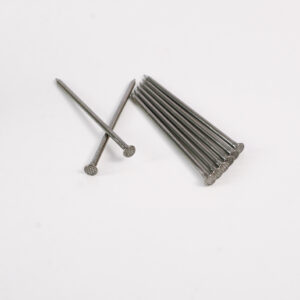
A common nails quality inspection checklist helps bulk buyers turn a product description into a clear acceptance record. Before a shipment is approved, the buyer and supplier should know which dimensions, visible defects, packing details and documents will be checked, and what counts as an acceptable result.
This guide is for importers, wholesalers and hardware distributors buying common nails, also called round wire nails. Use it to prepare your inspection brief alongside the agreed purchase specification. The limits and tests for an order must come from that specification, rather than from a generic online checklist.
1. Agree on the acceptance basis first
Start with one approved specification sheet for each item. A description such as “3-inch common nails” leaves room for different interpretations of diameter, finish and packing. Record the actual dimensions, units, material requirement, head and point configuration, surface finish, quantity and packaging.
Give the sheet a revision date. If a sample has been approved, identify it with the same item reference and keep photographs with the order file. State whether the written specification or sample controls a particular characteristic when they differ. Resolve that question before production rather than during the final inspection.
For product information to include in an inquiry, start with the KIN METAL Common Nails page.
2. Common nails quality inspection checklist
The following is a buyer planning checklist. Enter your agreed limits and inspection method beside each applicable item; a blank limit should be resolved before the inspector issues a pass or fail decision.
| Check | What to record | Acceptance reference |
|---|---|---|
| Product identity | Item code, size, finish and lot or carton reference | Purchase order and approved specification |
| Dimensions | Measured length, shank diameter and required head dimensions | Agreed measurement method and tolerances |
| Shape and workmanship | Bent shanks, malformed heads, point defects, burrs or cracks | Written defect criteria and approved sample |
| Surface condition | Visible rust, contamination and finish differences | Specified finish and appearance criteria |
| Required test evidence | Report identification and the lot covered | Tests expressly required by the order |
| Pack quantity | Net nail weight or actual count, as ordered | Agreed packing quantity and variation |
| Labels and shipment | Carton marks, size labels, quantities and packing condition | Approved artwork and packing list |
3. Make dimensional and visual findings traceable
Dimensional and visual checks for mild steel nails can include length, shank and head diameter, head alignment, point condition, straightness and manufacturing defects. These topics also appear in the TBS-hosted draft mild steel nail specification. Its draft limits are not used as acceptance limits in this guide.
Ask the inspector to record actual readings, not just “size OK.” Each reading should be tied to the item, sampled package and measurement method. A photograph is easier to interpret when it shows the same sample identification as the report.
Separate different sizes and finishes in the record. If a shipment contains several items, a result for one item should not silently stand in for all the others. Agree how packages will be selected and how many samples will be examined before inspection begins.
For visible defects, prepare a simple photo sheet with examples and written descriptions. “Poor head” is too vague for a repeatable decision. A description such as “incomplete head formation,” together with the agreed acceptance rule, gives both sides a clearer issue to resolve.
4. Keep appearance checks separate from test evidence
A clean-looking nail is not proof that every material, coating or mechanical requirement has been met. Where the purchase specification calls for a test, identify the method, acceptance requirement and report needed before the order is placed.
ASTM F680 describes nail test methods covering dimensional and selected mechanical and coating checks. Its overview notes that withdrawal and lateral-load performance testing are covered separately by ASTM D1761. A buyer should therefore specify the tests relevant to the order instead of treating one visual inspection as evidence for every property.
Similarly, a reference to a product specification such as ASTM F1667 for driven fasteners needs an agreed edition and applicable requirements. Mentioning a standard in an inquiry does not establish that a particular shipment complies with it. Confirm the requirement and the supporting evidence with the supplier.
When you receive a report, check the product description and lot reference against the goods being shipped. Keep any unresolved mismatch on the inspection record so that it cannot disappear between the purchasing and warehouse teams.
5. Check packing weight and shipment identity
Write down whether the order is sold by net nail weight or by piece count. For weight-based packs, distinguish the nails from the bag, box and other packaging. Record the weighing basis so that the receiving warehouse can repeat the check consistently.
A calculated pieces-per-kilogram figure can help with planning, but it should not replace an agreed count check for packs sold by quantity. See our common nail weight and quantity guide for the difference between an estimate and an actual packed quantity.
Compare labels against the goods inside sampled cartons. Record the item code, stated size, finish, pack quantity and any required shipping marks. Then reconcile the number of cartons for each item with the packing list. Photograph damaged packaging and identify the affected cartons rather than recording only a general comment about the shipment.
6. Copy this inspection record into your order file
Use the following structure as a starting point. Complete the acceptance fields before inspection, then add the results and evidence references.
- Order and item: purchase order, item code, specification revision and approved sample reference.
- Lot and selection: lot identification, total quantity, sampled carton references and agreed sample size.
- Requirement: characteristic, nominal value, units, limits and method.
- Result: individual measurements or observations, defect counts and photograph references.
- Evidence: required report identifiers and the products or lots they cover.
- Decision: accepted, held for clarification, or corrective action required under the agreed procedure.
- Closure: responsible person, action taken, reinspection result where required, and release date.
If a result is outside the agreed limits, record the affected item and quantity before discussing a remedy. Keep the original finding and the eventual decision together. This makes the record useful for a reorder as well as for the current shipment.
Frequently asked questions
Can one tolerance be used for every common nail size?
Do not assume a universal tolerance. Identify the dimensions and limits required by the agreed specification for each item. Confirm unclear requirements before the order proceeds.
Does a sample approval replace shipment inspection?
A sample establishes a reference, while shipment inspection records findings from the actual lot. Your purchasing procedure should explain how both are used and what evidence is required for release.
How many nails should the inspector examine?
Set the sample size and package-selection method in the inspection plan. They should follow the applicable agreed sampling procedure and lot definition. This guide does not prescribe a fixed sample count for every order.
What should I send when requesting a quotation?
Send the nail dimensions and units, required finish, quantity by size, packaging, destination and any inspection or testing requirements. Include a drawing or identified sample if the product must match an existing item.
Prepare your common nail inquiry
Use this common nails quality inspection checklist to make your requirements clear before comparing quotations. Send KIN METAL your size list, finish, packing format, order quantity and inspection brief so the requested product and acceptance requirements can be reviewed together.