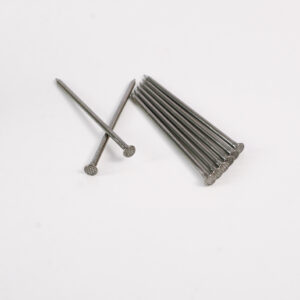
Common nails packaging options for wholesale buyers usually include bulk cartons, plastic bags packed in cartons, small boxes, retail-ready packs and private-label packaging. The right choice depends on how the nails will be handled, stored and sold after import—not only on the lowest packing cost.
A construction supplier may prefer heavy bulk cartons for fast site distribution, while a hardware wholesaler may need smaller packs that are easier to count, display and resell. Importers should therefore confirm the complete packing specification before comparing quotations. This guide explains the main choices and the details that help prevent receiving errors, damaged cartons and inconsistent repeat orders.
Common Nails Packaging Options at a Glance
| Packaging format | Typical buyer or channel | Main advantage | Points to confirm |
|---|---|---|---|
| Bulk carton | Construction suppliers, industrial users and large wholesalers | Simple handling and lower packing complexity | Net weight, carton strength, liner, lifting weight and pallet pattern |
| Plastic bags in a master carton | Regional distributors and hardware wholesalers | Smaller units without a full retail box | Bag weight, seal, label, bags per carton and moisture protection |
| Small plain boxes | Hardware stores and building-material retailers | Convenient shelf and counter sales | Net weight or piece count, box board, master-carton quantity and barcode area |
| Retail-ready packs | Chains, supermarkets and e-commerce sellers | Ready for local resale | Artwork, language, barcode, pack count, display method and drop protection |
| Private-label packaging | Importers developing their own brand | Consistent local brand presentation | Approved artwork, colour reference, legal text, SKU control and reorder version |
These formats are examples, not fixed rules. Common nails can be packed by weight or by an agreed approximate piece count, and the inner pack can be combined with different master cartons and pallets. Every quotation should state exactly what is included.
1. Bulk Cartons for High-Volume Use
Bulk cartons are practical when the buyer sells nails by weight or supplies large projects and workshops. They reduce the number of inner packages and make it easier to move a high volume of one specification. Common commercial requests include cartons based on an agreed net weight, but the suitable weight must match the buyer’s warehouse rules and manual-handling limits.
The cheapest carton is not always the lowest-cost option after arrival. A carton that is too weak can deform during stacking, expose the nails to moisture or break when moved. Buyers should specify the carton construction, maximum gross weight, inner liner, sealing method, shipping marks and pallet arrangement. A trial-packed carton can be checked before mass production.
2. Plastic Bags Packed in Master Cartons
Plastic inner bags divide a master carton into smaller wholesale units. This format can help distributors supply multiple customers without opening and weighing a full bulk carton. It also gives an additional barrier between the nails and the outer carton, although a plastic bag alone does not guarantee protection against condensation or long-term humid storage.
Confirm whether each bag is sold by net weight or piece count, how the bag is sealed and what information appears on its label. The master carton should state the number of bags, the total net weight, the nail specification and the production or batch reference required by the buyer.
3. Small Boxes for Hardware Distribution
Small boxes suit importers that supply hardware shops, builders’ merchants and other resale channels. Compared with bulk cartons, they require more packing material and labour, but they can improve stock control and make the product easier to sell in smaller quantities.
A small-box specification should cover the box dimensions, board quality, closing method, label position, unit weight or count and the number of boxes in each master carton. Buyers should also check whether the filled box can withstand normal warehouse handling without opening, crushing or allowing sharp nail points to damage adjacent packs.
4. Retail-Ready and Private-Label Packs
Retail packaging adds more decisions than simply printing a logo. The importer may need a product name, dimensions, finish, quantity, country-of-origin statement, safety text, barcode, SKU, local language and distributor information. The exact requirements depend on the destination market and sales channel, so the buyer should provide approved text rather than asking the factory to guess local compliance.
For private-label orders, keep a controlled artwork file with a revision number or approval date. Confirm whether colour is assessed from a digital file, a printed proof or a physical reference. When several nail sizes use similar boxes, give each SKU a clear size panel and distinct item code to reduce packing and warehouse errors.
How to Choose Packaging by Sales Channel
The best pack starts with the next step after import. Buyers can use the following questions to narrow the choice:
- Will the nails be consumed directly? A factory or construction supplier may value simple bulk handling.
- Will the wholesaler divide the shipment? Inner bags or small boxes can reduce local repacking.
- Will the pack sit on a retail shelf? Artwork, barcode space, pack strength and clear product information become more important.
- Will several sizes share one container? Strong SKU identification and carton markings help prevent receiving mistakes.
- Will the goods face long storage or humid transport? Discuss inner protection, desiccant strategy and warehouse conditions with the responsible logistics parties.
Packaging should support the buyer’s actual operation. Paying less for a bulk carton can create extra local labour if every carton must later be opened and repacked. Conversely, elaborate retail boxes add unnecessary cost when the nails go directly to an industrial user.
Weight Packing Versus Piece-Count Packing
Common nails are frequently traded by weight because nail size changes the number of pieces in each kilogram. A short, thin nail produces many more pieces per kilogram than a long, thick nail. Head geometry and dimensional tolerance also affect the final quantity.
If the commercial pack is sold by net weight, the quotation and label should say so clearly. If the buyer needs a declared piece count, agree on the counting method and acceptable variation before production. Our common nail weight and quantity chart can help estimate pieces per kilogram, but the final packing basis should follow the confirmed order and production sample.
Export Carton and Pallet Checks
Common nails are dense, so packaging must be designed for concentrated weight rather than judged only by appearance. Before shipment, importers should confirm:
- net and gross weight for every packing level;
- carton dimensions and carton construction;
- inner liner, bag or other agreed moisture-protection method;
- cartons per pallet and pallet gross weight;
- stacking pattern, straps, corner protection and stretch wrapping;
- shipping marks, SKU, size, finish, batch and quantity information;
- whether pallets are required or loose cartons are acceptable; and
- container-loading limits agreed with the freight and logistics parties.
If wood pallets or other raw-wood packaging are used in international trade, the exporter and importer should confirm the destination’s current phytosanitary requirements. ISPM 15 concerns regulated wood packaging material; it is not a certification for the steel nails themselves. Requirements should be checked for the actual route and destination before shipment.
Packaging Approval Before Mass Production
Approve the product and the package as one complete sample. A nail sample in an unprinted bag does not confirm that the final box, label, carton and pallet will match the purchase order. For a new retail or private-label project, the approval process can include:
- a confirmed nail specification and physical sample;
- a packing mock-up with the actual inner quantity;
- approved artwork and product text;
- a master-carton sample and shipping mark;
- photos of the packed pallet; and
- a retained reference for repeat orders.
Record any approved changes. Reusing an old artwork file or mixing two revisions can cause costly relabelling after arrival.
Common Packaging Problems to Prevent
- Unclear net weight: the quotation, inner label and carton mark use different units.
- Mixed specifications: similar cartons do not show the nail size prominently.
- Weak cartons: concentrated nail weight causes crushing or broken handles.
- Unapproved labels: product wording, barcode or importer details are incorrect.
- Poor moisture planning: nails, inner packs and cartons are not matched to the shipping and storage environment.
- No retained sample: repeat orders cannot be compared with the version previously approved.
A clear packaging specification gives the supplier, inspector, freight team and receiving warehouse the same reference. It also makes quotations easier to compare because each supplier is pricing the same packing scope.
RFQ Checklist for Common Nails Packaging
Send the following information when requesting a quotation:
- nail length, shank diameter, head and point requirements;
- material and surface finish;
- quantity required for each size;
- net weight or piece count per inner pack;
- inner-pack material and label details;
- inner packs per master carton;
- carton gross-weight limit and shipping marks;
- pallet, wrapping and container-loading requirements;
- private-label artwork and barcode files, when applicable; and
- destination port, trade term and requested inspection documents.
For applications involving industrial wooden packaging, also review our guide to common nails for wooden crates and export packaging.
Buyer Questions About Common Nails Packaging
Can several common nail sizes be packed in one shipment?
Yes, subject to the order quantity and supplier confirmation. Each size should have a separate SKU, visible carton mark and clear packing list entry. Mixed specifications should not share an unmarked inner pack.
Should I order common nails by kilograms or by pieces?
Weight packing is often practical for bulk nails, while retail channels may prefer a declared count. Choose the basis used by your customers and make the same unit clear in the quotation, purchase order, inspection checklist and labels.
Do all export orders need pallets?
No. The decision depends on carton strength, handling method, warehouse requirements, freight plan and destination rules. Compare loose loading and pallet loading as complete logistics options rather than looking only at the number of cartons in a container.
When should packaging be approved?
Approve it before mass printing and final packing. Private-label buyers should confirm the actual pack structure, artwork version, barcode, label text and master-carton marks in addition to approving the nail sample.
Request a Common Nails and Packaging Quotation
The right common nails packaging options for wholesale buyers depend on the product specification, local sales channel, warehouse handling and shipping plan. Start with the pack your customer needs, then define each inner, carton and pallet level in the RFQ.
View the KIN METAL common nails range, or send us your dimensions, finish, quantity, packaging format and destination. We can review the requested combination and prepare a quotation based on the confirmed specification.