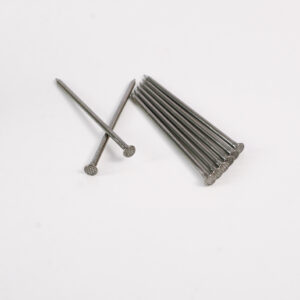
Comparing nail quotations is not simply a matter of choosing the lowest unit price. For an importer, distributor, contractor, or furniture manufacturer, a useful quotation must show exactly what will be supplied, how it will be packed, and which details can affect installation, storage, and total landed cost. This RFQ checklist helps B2B buyers compare like with like before placing a nail order.
What to Do After You Choose a Supplier
Once a quotation is accepted, the work is not finished. Issue a purchase order that restates the seven lines, reference the accepted quotation number, and confirm the lead time and payment terms in writing. Ask the supplier to confirm receipt and flag any deviation before production starts. Buyers who convert an accepted quotation into a tight purchase order rarely discover surprises at the container.
RFQ FAQs: Final Checks
What is the fastest way to get accurate quotes? Send the complete seven-line specification in the first message. Suppliers answer incomplete enquiries more slowly, and their prices include a risk margin for the unknown.
The Seven Lines Every Nail RFQ Should Have
A complete nail RFQ can be written in seven lines. If any of these is missing, suppliers will make their own assumption – and the assumption may cost you money:
- Product name: common nails, roofing nails, galvanised nails or another family.
- Dimensions: length and shank diameter in millimetres, plus head and point if they matter.
- Finish: bright, electro or hot-dip galvanised, stainless steel, with the coating standard.
- Quantity: pieces, kilograms or cartons – state which basis the price should use.
- Packing: retail box, 5kg box, 25kg carton, pallet count and marking.
- Trade term: FOB, CIF, DDP or another Incoterm, with the destination port or city.
- Documentation: COA, test certificate, third-party inspection, and any standards you require.
Compare this list with the quotation you receive: a supplier who answers all seven lines is quoting your specification; a supplier who rewrites them is quoting their own.
Common Quotation Traps and How to Spot Them
Experienced buyers recognise a few patterns that turn a cheap quotation into an expensive container:
- Missing finish details. A price for “galvanised nails” without the coating type may arrive as a cheaper electro finish when you expected hot-dip. Fix: state the coating standard and minimum weight.
- Mixed price basis. One supplier quotes FOB, another quotes CIF. The numbers are not comparable until you add freight, insurance and the exchange rate. Fix: ask every supplier for the same Incoterm.
- Packing that changes the price. Retail packs cost more per nail than bulk cartons. A quotation with different pack sizes can hide a higher unit cost. Fix: fix the pack format before comparing.
- Unstated deviations. A supplier who quietly changes the gauge or the shank type is quoting a different product. Fix: ask for a written confirmation of every line.
FOB, CIF and DDP: The Price Basis Explained
The trade term decides who pays for freight and insurance, and it changes the real comparison:
- FOB (Free On Board): the price includes the goods loaded on board at the export port. The buyer arranges freight and insurance from there.
- CIF (Cost, Insurance, Freight): the price includes goods, insurance and freight to the destination port. Easier to compare, but the buyer still handles customs and inland transport.
- DDP (Delivered Duty Paid): the price covers delivery to the buyer’s door, including duties. Most convenient, but also the most expensive basis and the hardest to benchmark.
When you compare quotations, convert them to one basis first. Add the estimated freight and insurance to FOB quotes so every number is apples to apples.
RFQ Checklist Template You Can Copy
Keep this template next to your email tool:
- Product: common nails, bright finish
- Size: 50mm x 2.65mm (11 gauge)
- Quantity: 10,000kg
- Packing: 25kg carton, 40 cartons per pallet
- Standard: EN 10230-1 / ASTM F1667
- Trade term: CIF Rotterdam
- Documents: packing list, COA, mill test certificate
- Lead time and payment terms requested
Send the same template to three suppliers and you can compare their replies line by line. For a fuller comparison method, see our guide to nail sampling plans and our common nails buying guide.
Building a Quotation Comparison Sheet
Use a spreadsheet with one column per supplier and one row per line: product, size, finish, quantity, packing, trade term, unit price, total, lead time, payment terms and documents. Fill it from the quotations without editing the numbers. The supplier with the lowest number is often not the cheapest once lead time, payment terms and deviations are added. A comparison sheet makes the decision visible and defensible, and it becomes the basis for the purchase order.
RFQ FAQs: More Answers
How many suppliers should I ask? Three is the practical minimum for a commodity order; five if the product is custom or the volume is large.
Should I reveal my target price? You can share a target range to filter suppliers, but keep the specification fixed so the comparison stays fair.
What if suppliers quote different pack sizes? Ask all of them to re-quote on one pack format, then compare the per-kilogram or per-1,000-piece price.
How do I keep the comparison fair across currencies? Convert every quotation to one currency at the same reference rate, and note the date you used so the comparison can be re-checked later.
Start with a complete product description
A quotation should describe the nail clearly enough that two suppliers are pricing the same item. “Construction nails” or “galvanized nails” alone is too broad. State the nail type, intended use, material, finish, diameter, length, head style, point, and shank style. These choices influence holding performance, appearance, corrosion resistance, and suitability for the application.
For general building stock, buyers can use the dimensions and product terminology on our Common Nails page as a starting point. Roofing, pallet, furniture, and timber uses may require different heads, shanks, coatings, or packaging. Put the intended application in the RFQ so the supplier can flag a mismatch rather than silently quote a generic alternative.
Use one RFQ line for each specification
Separate products that differ in size, finish, or packing. A clear request makes it easier to compare quotations and prevents a small change from disappearing inside a blended price.
| RFQ item | What to specify | Why it matters |
|---|---|---|
| Product type | Common, roofing, clout, screw, or other nail type | Confirms the basic product design |
| Dimensions | Diameter and length with the unit used | Prevents gauge or length confusion |
| Material and finish | Steel grade if required; bright, electro-galvanized, hot-dip galvanized, or another agreed finish | Aligns appearance and corrosion expectations |
| Shank and point | Smooth, ring, or screw shank; point style | Affects installation and holding behavior |
| Packaging | Pieces or net weight per box, inner packing, cartons, pallets, labels | Supports warehouse handling and resale |
| Order quantity | Quantity per item and total shipment requirement | Lets suppliers quote the correct packing and loading plan |
Compare the price basis before comparing the number
Ask every supplier to state the price currency, Incoterm, loading port, quotation validity, and whether the price is per kilogram, per carton, per thousand pieces, or per container. A lower number can be misleading when the price basis, net weight, packing count, or delivery term is different.
For example, two carton prices are not directly comparable if one carton contains a different net weight or a different nail size. Create a comparison sheet with one normalized unit, then keep the original quoted unit beside it for traceability. If freight is handled separately, record that separately rather than treating it as part of the product price.
Ask for packing details that match your sales channel
Packaging is part of the product specification in B2B nail procurement. A wholesaler may need retail-ready inner boxes and clear labels; a project buyer may prioritize durable export cartons and simple site handling. Request the net weight and gross weight, units per inner box, cartons per pallet when used, marking requirements, and any language or barcode needs before approval.
Also confirm whether mixed sizes can be packed in the same shipment and how each SKU will be identified. This reduces receiving errors and makes it easier to reconcile the shipment against a purchase order.
Build practical quality checks into the order
Quality control works best when the buyer and supplier agree on the inspection points before production or packing. Rather than asking for a vague “best quality” promise, list the visible and measurable points that matter for the intended product: dimensions, coating appearance, head formation, shank shape, point condition, packing accuracy, and carton condition.
Request a pre-shipment sample or inspection arrangement when it is appropriate for the order. The sample should be identified against the agreed specification, not treated as a substitute for it. For a broader approach to sample review, see our nail sampling plan for B2B construction orders.
Make deviations visible
Ask suppliers to state any assumption, alternative material, tolerance, packing change, or unavailable requirement in the quotation itself. This makes a quotation easier to evaluate and gives buyers a clear basis for questions. A transparent exception is more useful than a quote that looks complete but leaves critical details unstated.
Before issuing a purchase order, convert the accepted quotation into an item-by-item specification sheet. Include the agreed product description, packing, shipping term, documentation needs, and inspection checkpoints. The purchase order should not rely only on a product photo or a short item name. For construction orders, reference ASTM F1667 or EN 14592 on the item lines so every supplier quotes to the same geometry and test expectations.
A simple quotation comparison workflow
- Prepare one written RFQ with the same fields for every supplier.
- Check that each quotation matches the requested product and price basis.
- Normalize the unit price only after confirming dimensions and net weight.
- Review packing, shipment terms, and delivery assumptions separately.
- Clarify deviations in writing and attach the final specification to the purchase order.
This process creates a more reliable comparison than selecting the lowest visible figure. It also helps suppliers quote accurately because they have a clear brief.
FAQ
What is the most important detail in a nail RFQ?
The product description is the foundation: nail type, diameter, length, finish, shank, point, and packing should be stated for each line item. Without these fields, quoted prices may refer to different products.
Should I compare nail prices by carton or by weight?
Use the unit that matches your buying and resale process, but always record net weight and quantity per carton. This lets you identify when cartons contain different amounts and keeps comparisons consistent.
How can I reduce surprises after a quotation is accepted?
Document the approved specification, packing, price basis, shipping term, and any inspection points in the purchase order. Ask suppliers to state deviations before the order is confirmed.
Request a quotation with clear specifications
Kin Metal can help buyers organize a nail enquiry around the product, finish, size, quantity, and packing requirements that matter to their market. Browse our Products range, then contact us with your RFQ for a quotation aligned to your requested specification.