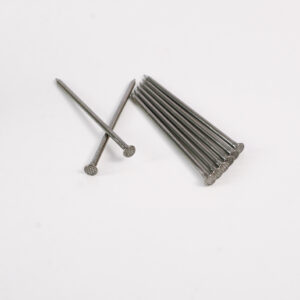
For importers and construction-supply distributors, “3-inch common nails” sounds like a simple line item. In a bulk order, however, the name alone does not define the nail you will receive. Length, wire diameter, head, finish, packing and intended use all affect whether the shipment matches your customer’s needs. If the nails are specified for a load-bearing timber structure, the buyer must also check what evidence is required under EN 14592:2022.
What does “3-inch common nail” mean?
Three inches equals 76.2 mm. In some markets, a nominal 3-inch nail may be offered as 75 mm or another nearby length. Those are not automatically identical specifications. State the required measured length and tolerance on your purchase order, rather than relying on an inch label alone. The same rule applies to wire diameter: a 3-inch length does not determine nail thickness.
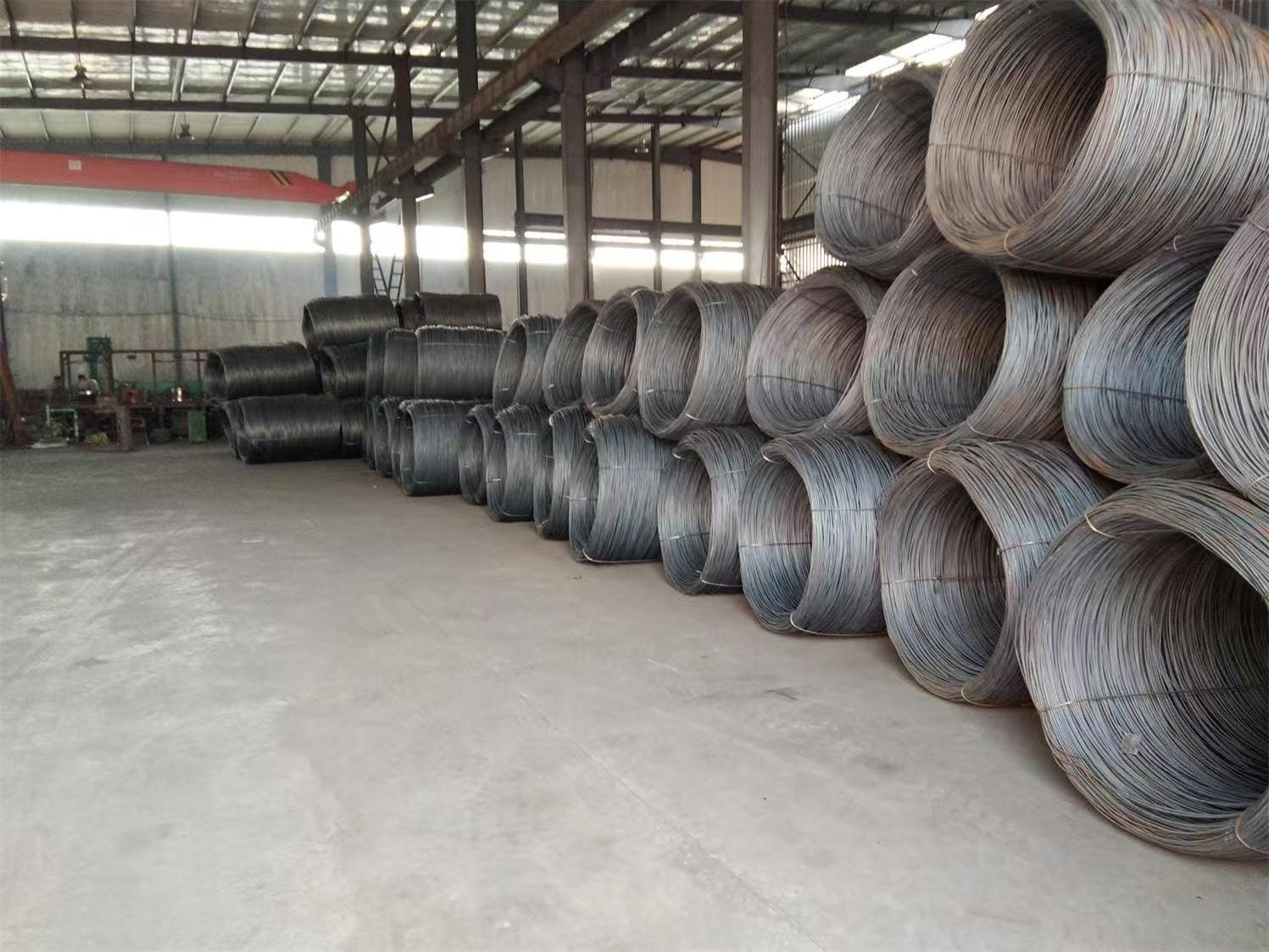
KIN METAL’s common nails product page lists Q195 and Q235 carbon-steel options, lengths from 10 to 350 mm, diameters from 1 to 8 mm, and a choice of finishes and packing formats. The exact 3-inch combination should be confirmed against your drawing or written specification before quotation.
Specify the nail before requesting a wholesale price
- Longitud: confirm whether you require exactly 76.2 mm or a nominal market size such as 75 mm, plus the allowed tolerance.
- Shank diameter: give the measured diameter or the wire gauge used in your market.
- Head and shank: state the head diameter/profile and whether a smooth or other shank design is required.
- Steel and finish: identify the requested material and choose bright/polished, electro-galvanized or hot-dip galvanized finish according to the application and exposure conditions.
- Embalaje: specify net weight or piece count per box, inner packs, outer cartons, labels and pallet requirements.
These details allow buyers to compare quotations on the same basis. A lower price per carton may reflect a different wire diameter, piece count, coating or packing weight rather than a better offer.
When is EN 14592 relevant?
EN 14592:2022 is a standard for dowel-type fasteners, including nails, intended for structural use in load-bearing timber structures. It addresses specified fastener characteristics and the assessment and verification of performance. It is not a blanket certification for every steel common nail used somewhere on a construction site.
If your project or customer requires EN 14592, identify the intended structural application before placing the order. Ask the supplier to confirm the proposed nail’s relevant dimensions, material, coating and available test or performance documentation for that exact configuration. Do not assume that a 3-inch size, a galvanized finish or a general statement on a website proves compliance. Project engineers and local requirements should determine the final fastener specification.
Choose the finish for the exposure conditions
Bright or polished carbon-steel nails are commonly selected for dry, protected work. Where moisture or outdoor exposure matters, buyers should state a corrosion-protection requirement and confirm the coating type and thickness they need. Electro-galvanized and hot-dip galvanized finishes are different options; neither should be treated as universally suitable for every environment. For a structural timber application, coating selection also needs to match the project specification and any applicable EN 14592 documentation.
A practical RFQ for 3-inch common nails
Send the supplier one clear request: “Please quote 3-inch steel common nails for construction, actual length [76.2 mm or specified nominal length], shank diameter [X mm], head [type and size], finish [type], packing [details], quantity [tons or cartons], destination port [port], and required delivery date.” If EN 14592 is part of the purchase requirement, add the intended load-bearing timber use and list the exact documents your customer needs. A sample, drawing or current product photo helps prevent misunderstanding.
For a broader comparison of sizes and finishes, read our common nails bulk buying guide. If you already have a specification, send KIN METAL an RFQ so the team can check the available 3-inch configuration and quote the appropriate packing.
Frequently asked questions
Are 3-inch and 75 mm common nails the same?
Not exactly: 3 inches is 76.2 mm. Some suppliers use 75 mm as a nominal market equivalent, so confirm the actual measured length and tolerance before ordering.
Does every 3-inch steel common nail meet EN 14592?
No. The standard’s relevance depends on the intended structural timber use, and a compliance claim needs evidence for the specific fastener configuration. Ask for the applicable product and performance documents when your project requires them.
What information is needed for an accurate bulk quotation?
Provide the actual length, diameter, head and shank design, steel/finish, packing, order quantity and destination. Include the intended application and required EN 14592 documents if structural use is specified.