Galvanized Wire Buying Guide: Electro vs Hot-Dip, Sizes and Uses
Galvanized wire is one of the most ordered raw materials in the fastener and construction supply chain. It becomes binding wire, nail wire, wire mesh, fencing, tie wire and a dozen other products, and the coating choice between electro-galvanized and hot-dip galvanized changes both the price and the corrosion life. This guide explains the difference, the common sizes and specifications, and what to put on your RFQ so the factory quotes the right product.
If you buy galvanized wire to make nails, our galvanized nail specification guide shows how the same coating logic applies downstream.
What Is Galvanized Wire?
Galvanized wire is low-carbon or medium-carbon steel wire that has been coated with zinc to protect it from corrosion. The manufacturing process has two stages: the steel rod is drawn down to the required wire diameter, and then the zinc coating is applied. The drawing stage determines the wire’s tensile strength and surface quality; the galvanizing stage determines how long the wire will resist rust in service.
Three parameters define a galvanized wire order: the wire diameter (in mm or BWG gauge), the tensile strength (in MPa or kg/mm²), and the zinc coating method and weight. Buyers who specify all three avoid the most common sourcing problems: wire that rusts too soon, wire that is too hard to bend, or wire that does not meet the intended application.
Electro Galvanized Wire vs Hot-Dip Galvanized Wire
The two coating methods produce very different products:
- Electro-galvanized wire: zinc is deposited on the wire by electrolysis. The coating is thin (usually 10-30 g/m²), smooth and bright. It is cheap and fine for indoor applications, tying, binding and products with short service life expectations.
- Hot-dip galvanized (HDG) wire: the wire is passed through molten zinc, forming a thick alloy coating (often 40-200+ g/m²). It has a duller, spangled finish but can last many times longer outdoors, and it is the standard for fencing, mesh, coastal and agricultural use.
| Factor | Electro-galvanized | Hot-dip galvanized |
|---|---|---|
| Typical zinc coating | 10-30 g/m² | 40-200+ g/m² |
| Surface | Bright, smooth | Dull, spangled |
| Corrosion life outdoors | Months to a few years | Many years to decades |
| Bendability | Very good | Good |
| Typical uses | Binding wire, baling, indoor mesh | Fencing, chain link, guy wire, outdoor mesh |
| Relative price | Lower | Higher |
A common buyer mistake is ordering “galvanized wire” without stating the method. The two products look similar at a glance and are completely different in service life, so always state electro or hot-dip (or the required zinc coating weight) on the order.
Common Galvanized Wire Sizes
Wire is specified either in millimetres or in BWG (Birmingham Wire Gauge). These are the most commonly traded diameters:
- 0.55mm – 1.2mm: binding wire, baling wire, craft and light tying applications.
- 1.2mm – 2.5mm: tie wire, wire mesh, poultry netting and general construction binding.
- 2.5mm – 4.0mm: fencing wire, chain link fabric and nail wire for small-gauge nails.
- 4.0mm – 6.0mm: heavy fencing, guy wires, concrete tying and large-gauge nail production.
BWG conversions matter in export: 14 BWG is approximately 2.0mm, 12 BWG is approximately 2.65mm, and 10 BWG is approximately 3.4mm. If your customer specifies BWG and the factory quotes millimetres, confirm the conversion in writing before production.
How to Specify Galvanized Wire for an Order
A complete galvanized wire specification contains six fields: Zinc coating classes and adhesion for wire are defined in EN 10244-2 (Europe) and ASTM A641 (US); state the coating class so both sides measure the same zinc weight.
- Wire diameter – e.g. 2.0mm or 14 BWG, with the tolerance (usually +/- 0.02mm).
- Coating method – electro or hot-dip, and the zinc coating weight in g/m².
- Material grade – e.g. Q195, Q235 low-carbon steel, or medium-carbon for higher strength.
- Tensile strength – e.g. 350-550 MPa for binding wire, higher for fencing.
- Coil format – coil weight (e.g. 5kg, 25kg, 50kg), inner diameter, and whether you need small retail coils or big mill coils.
- Packing – plastic film, woven bag, palletising and carton labelling for export.
Putting these six fields on the RFQ turns a vague “galvanized wire” enquiry into a product the factory can price accurately on the first quote.
Galvanized Wire for Nail and Fastener Production
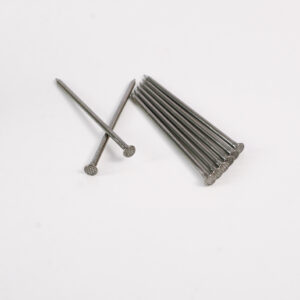
Nail factories buy galvanized wire as the raw material for galvanized nails. For this application the key specification is the wire’s drawability and coating integrity – the zinc layer must survive the nail heading process without flaking. Hot-dip coated wire with a heavier zinc layer is generally preferred for exterior galvanized nails, while electro-galvanized wire is common for bright, indoor nails where the zinc is a light protective finish. If you supply nails downstream, state the finished nail’s coating requirement and let the factory select the compatible wire.
Quality Checks When Buying Galvanized Wire
- Zinc coating test: the weight per square metre can be verified by the hydrochloric acid stripping method; specify a minimum value in your contract.
- Bend and wrapping test: the zinc layer must not crack or flake when the wire is bent around its own diameter.
- Surface inspection: reject wire with bare spots, scratches through the zinc, rust streaks or heavy oil residue.
- Diameter check: measure with a micrometer at several points on the coil; consistent diameter matters for wire drawing and nail heading.
- Coil condition: check for tangling, overlapping wraps and damage from poor handling.
Packing and Handling Galvanized Wire
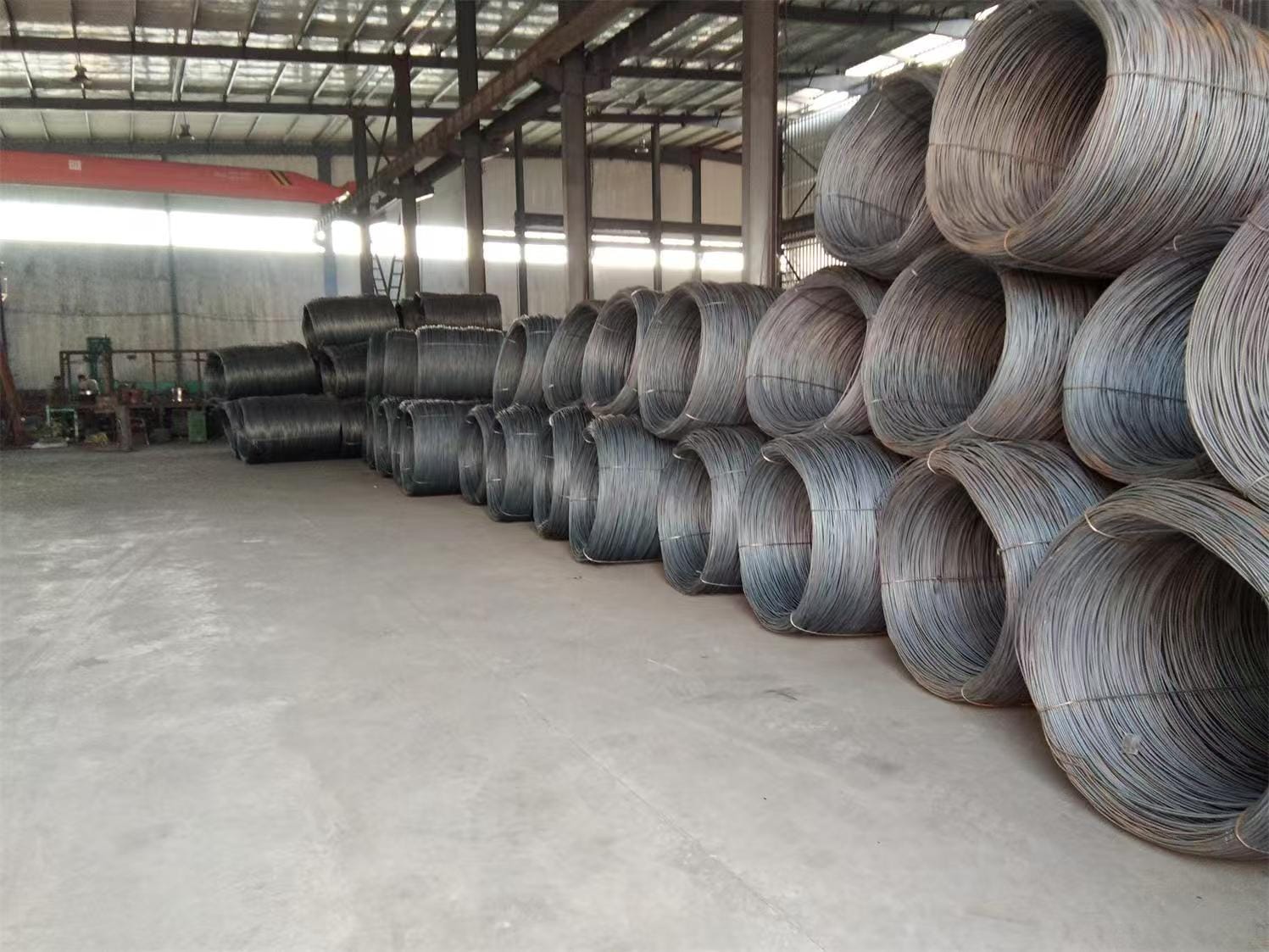
Wire is shipped on coils – small 1-5kg retail coils, 25-50kg hand coils, or 500-1000kg mill coils for production lines. Export packing normally combines plastic film, woven bags or steel strapping and palletising for container loading. Coils must stay dry during transit; even hot-dip wire can develop white rust when stored in condensation, so confirm the packing includes moisture protection for sea freight.
Galvanized Wire FAQs
Which is better, electro or hot-dip galvanized wire? It depends on the use – hot-dip lasts far longer outdoors; electro is cheaper and fine indoors. Specify the coating weight rather than choosing “better” by name.
What is the zinc coating weight for hot-dip wire? Typically 40-200 g/m² depending on the grade and application; fencing and agricultural wire usually specify 60-100 g/m² or higher.
Can galvanized wire rust? Yes, eventually – the zinc protects the steel until it is consumed. Thicker coatings last longer; damaged or scratched coatings rust first.
What is 14 gauge galvanized wire in mm? 14 BWG is approximately 2.0mm in diameter.
Is galvanized wire suitable for tying rebar? Yes – annealed or galvanized tie wire at 1.2-1.6mm is standard for rebar tying on construction sites.
Where to Source Galvanized Wire in Bulk
Kin Metal supplies electro-galvanized and hot-dip galvanized wire in diameters from 0.5mm to 6.0mm, with the coating weight, tensile and coil format specified on every quotation. View our galvanized wire product page or send your specification for a quote with packing and certification details.